
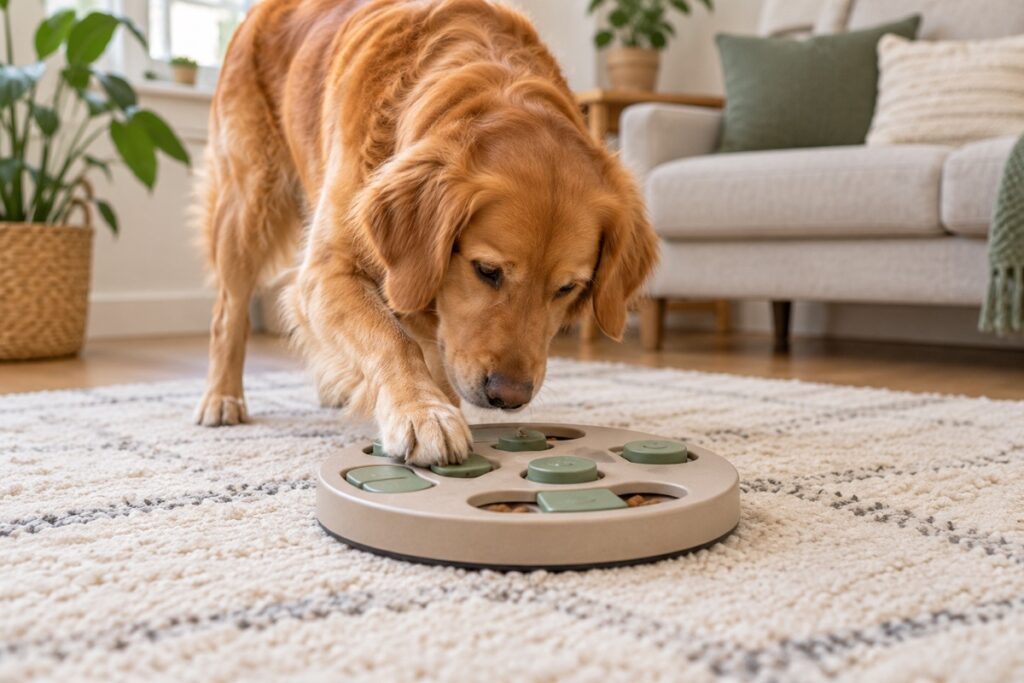
Dog Puzzle Toy Guide: Choosing the Right Difficulty Level
A puzzle toy should encourage investigation without creating repeated frustration. The correct starting level, stable design and supervised setup matter more
A puzzle toy should encourage investigation without creating repeated frustration. The correct starting level, stable design and supervised setup matter more
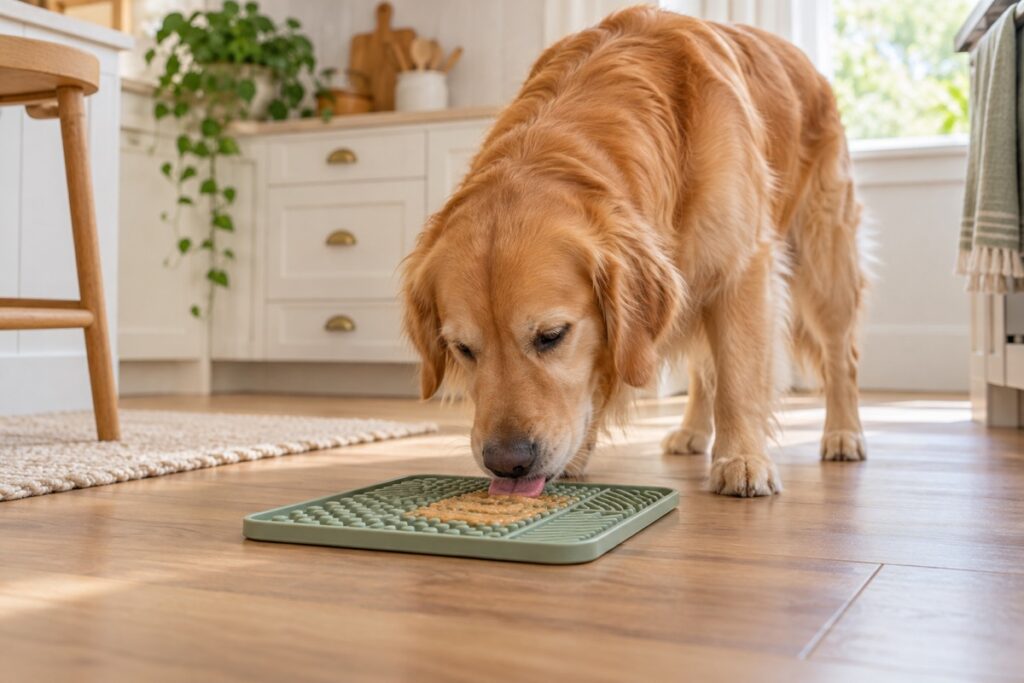
A lick mat can slow soft-food treats and provide a calm supervised activity. Texture depth, surface grip and easy cleaning determine whether it works in daily
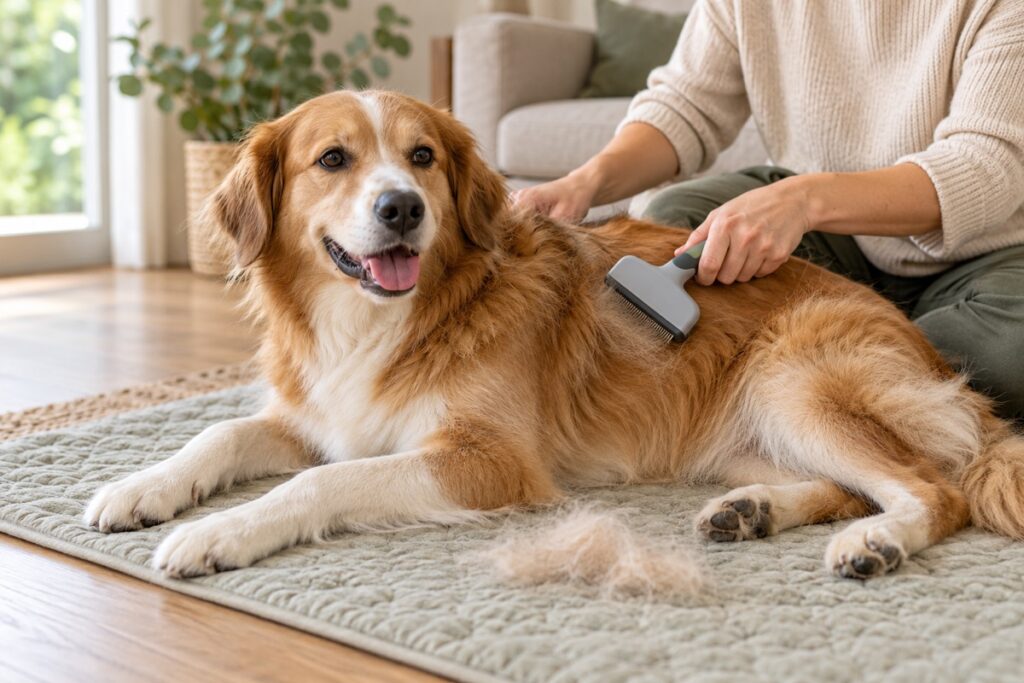
A deshedding tool can lift loose undercoat efficiently when it matches the coat type and is used with light pressure. It is not the right tool for every dog o
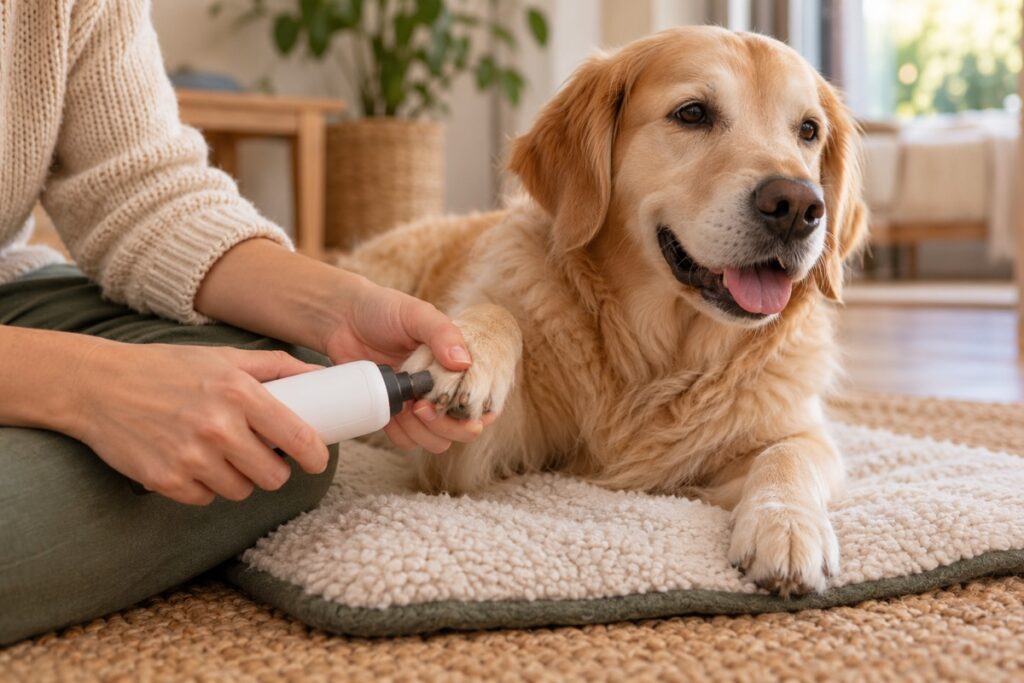
A grinder can shorten nails gradually and smooth sharp edges, but noise, vibration and heat require a slow introduction. Good lighting and speed control make
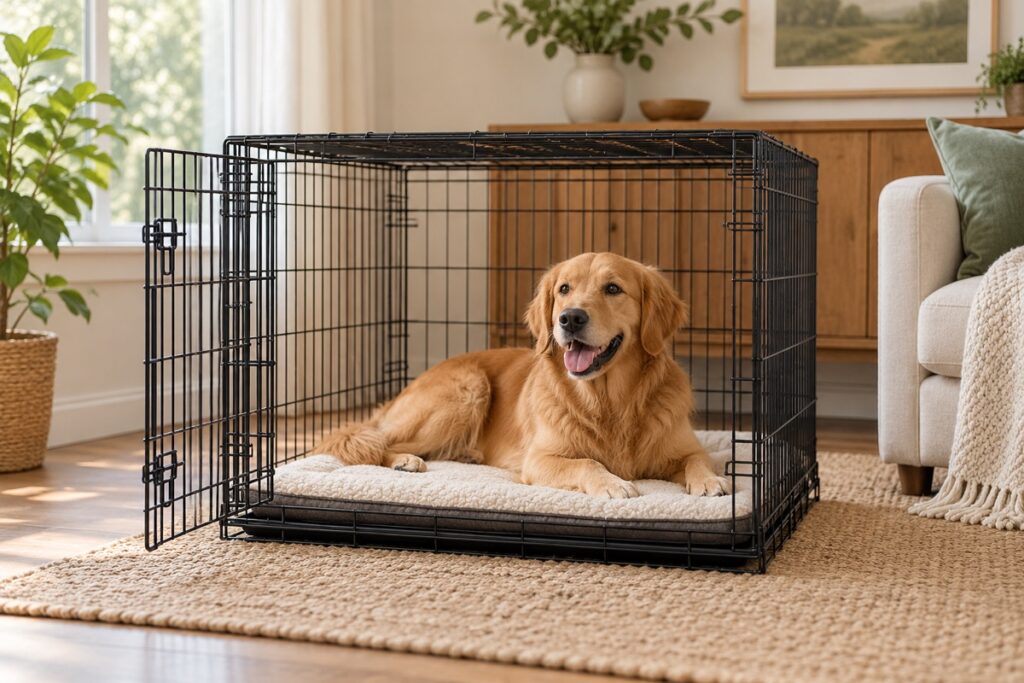
A crate should allow a dog to stand, turn around and lie naturally without feeling lost in excessive empty space. Measurements are more reliable than breed la
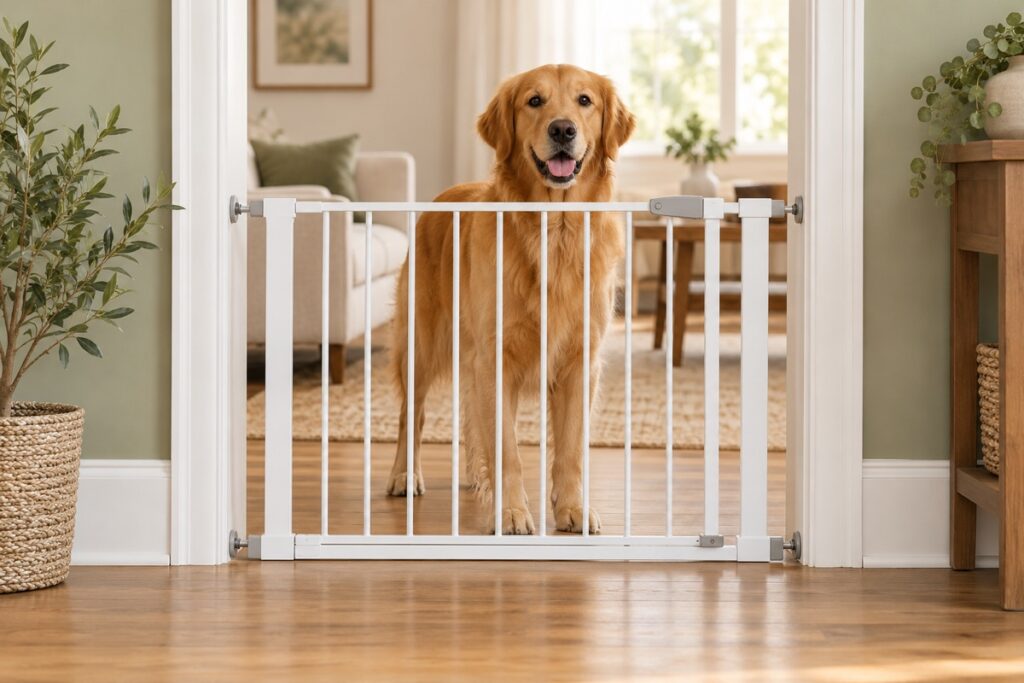
An indoor gate can create calm boundaries around kitchens, stairs or visitor areas. The installation method, bar spacing and opening mechanism should suit bot
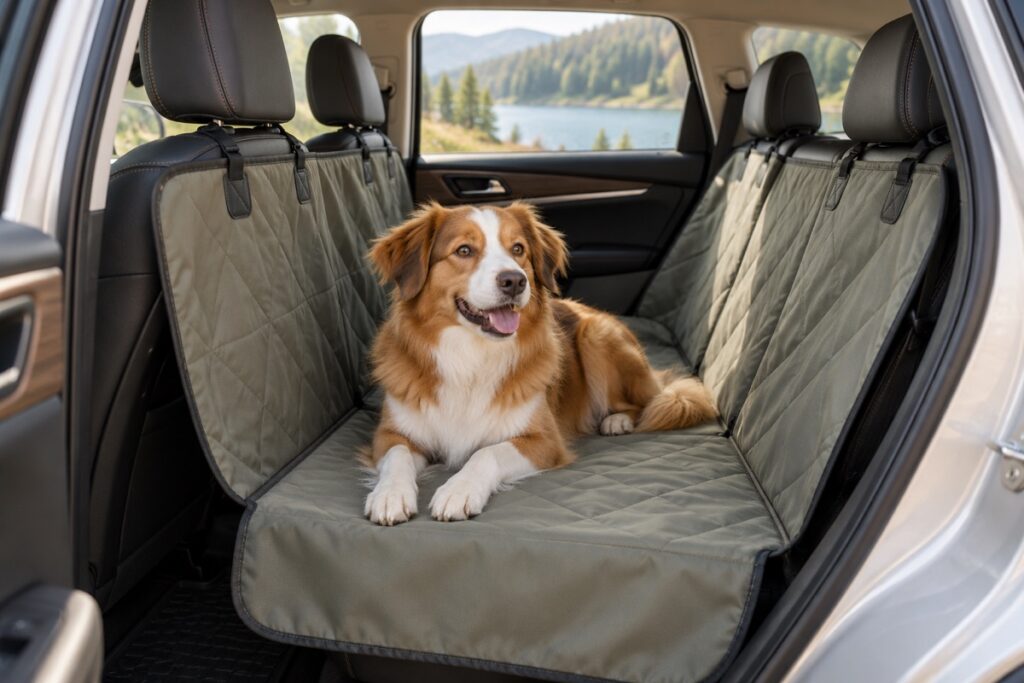
A well-fitted seat cover protects upholstery and gives paws a more stable surface. Coverage, anchor points and access to seat-belt openings should guide the c
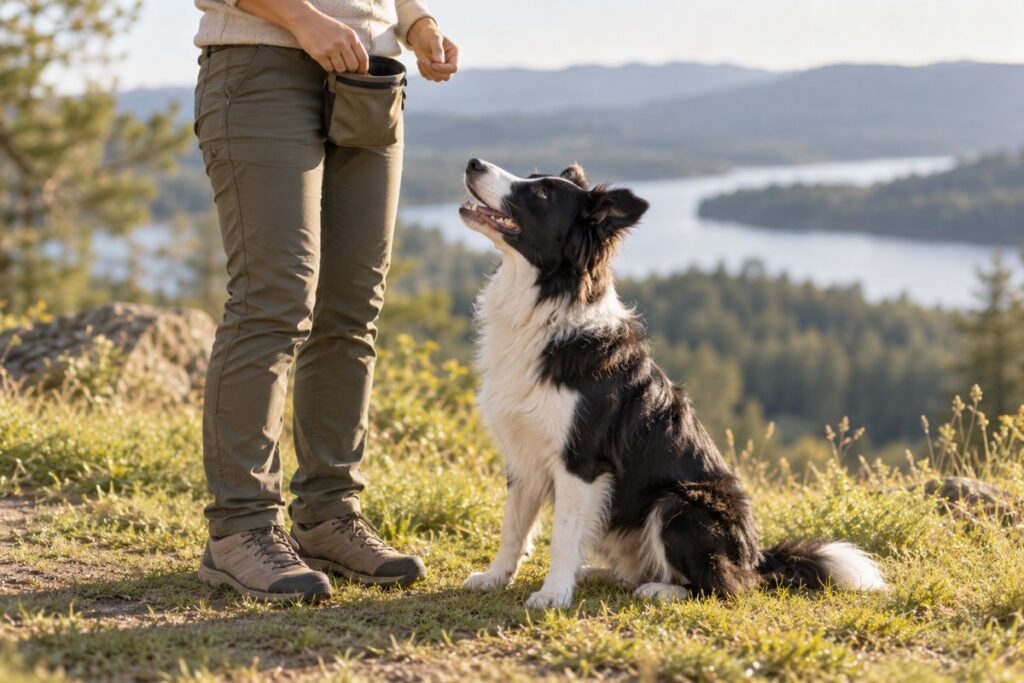
A practical treat pouch keeps rewards accessible without turning a walk into a search through pockets. The best choice opens with one hand, stays secure while
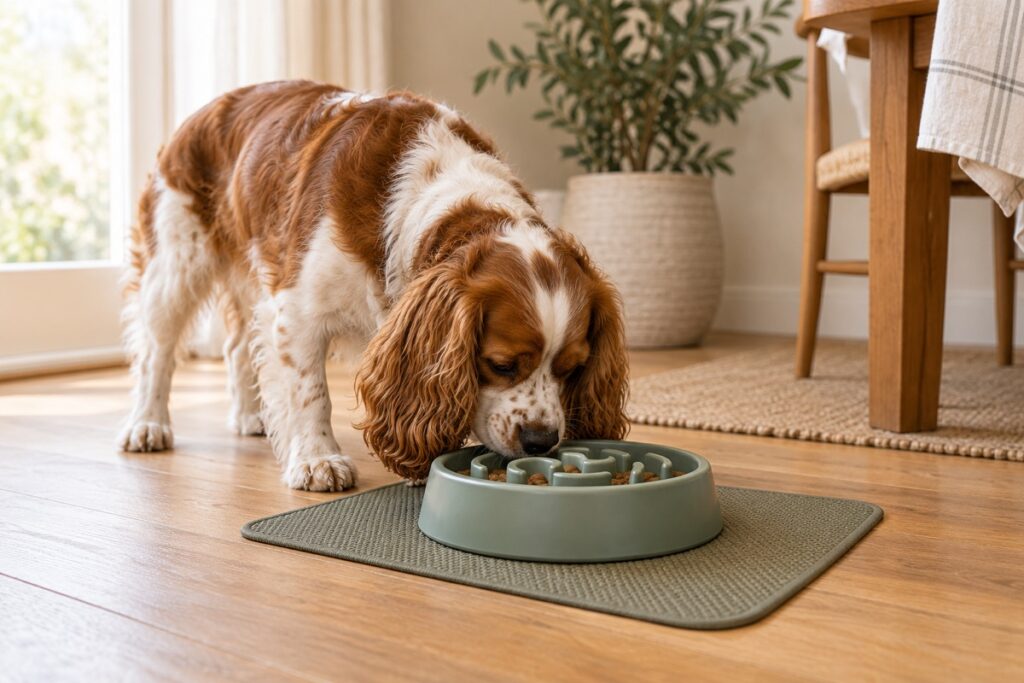
A slow feeder spreads food around raised channels so a dog has to take smaller mouthfuls. Pattern depth, bowl width and material matter more than choosing the
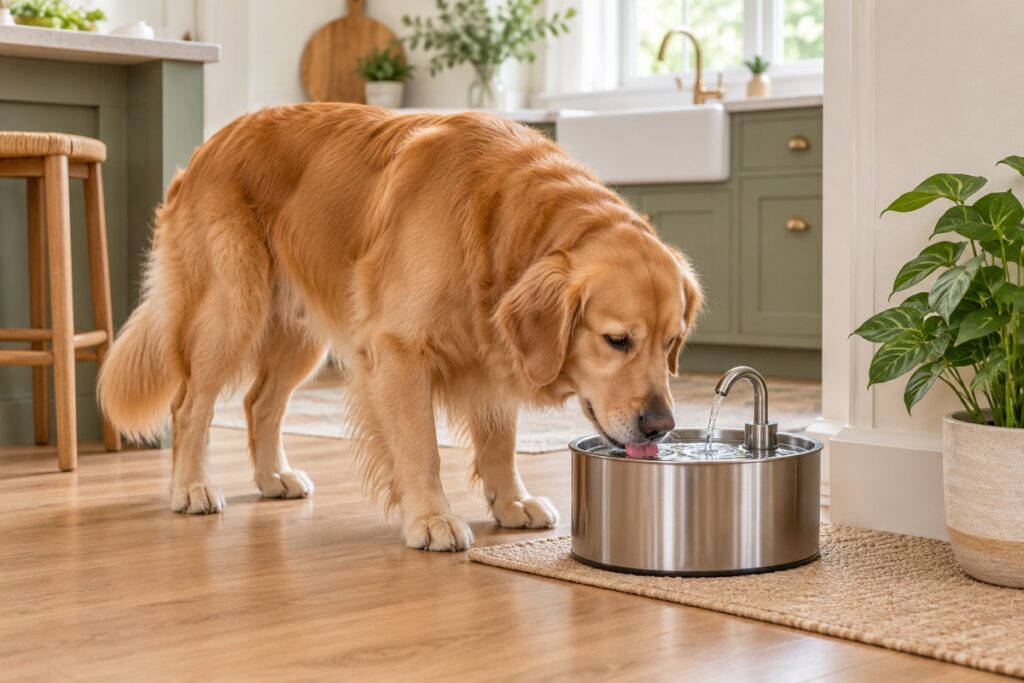
A fountain can encourage regular drinking while reducing the dust and hair that collect in an open bowl. The right model should be easy to clean, quiet enough